
LEED Verification
Leadership in Energy and Environmental Design (LEED) is an internationally recognized green building certification system, providing third-party verification that a building was designed and built using strategies aimed at improving performance. The five basic areas are: Sustainable Sites, Water Efficiency, Energy and Atmosphere, Materials and Resources, and Indoor Environmental Quality.
Projects pursuing LEED for Homes certification accrue points for various green building strategies across several categories that address sustainability issues. Based on the number of points earned, a project receives one of four rating levels: Certified, Silver, Gold, or Platinum.
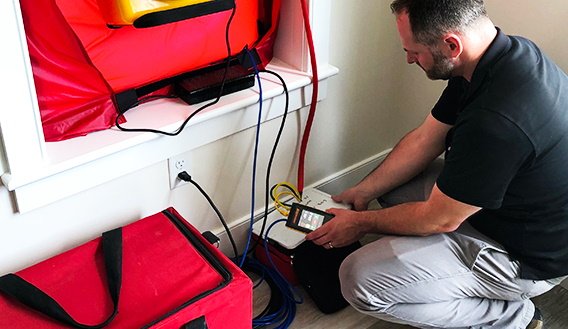
Our role in the LEED for Homes certification process is as the certified Green Rater as well as the Energy Rater. Combining a HERS Rating with the LEED program is a powerful way to increase points earned, there is a direct path to input the HERS Rating into the LEED calculations. Green Raters and HERS Raters share many common responsibilities, both are trusted third party verifiers who ensure compliance with their respective programs. As the Green Rater, we are responsible for:
- Assembling the Project Submittal Package and submitting it for certification review
- Verifying that the home is designed and built to the rigorous requirements of the rating system through onsite verification.
**Green Raters must be involved with the project from the design phase (prior to a preliminary rating) and throughout the construction process in order for the project to participate in the LEED program.
ARTICLE 37 COMPLIANCE
Boston Zoning Code Article 37 (Green Buildings) and the Resiliency Policy ensures that major building projects are planned, designed, constructed, and managed to minimize adverse environmental impacts; conserve natural resources; are resilient to climate change; promote a more sustainable city; and enhance the quality of life in Boston.
Article 37 requires all projects 4 stories or higher to achieve at minimum the ‘certifiable’ level utilizing the most appropriate US Green Building Council Leadership in Environmental and Energy Design (LEED) Rating System(s). To successfully create a high-performance and sustainable building, it is essential that project teams utilize an integrated project delivery approach from the initial phases of the project. Research and practice demonstrate that integrated project teams deliver better projects, attain higher LEED, green, and resilient building outcomes, and do so within their project budgets. The City expects project proponents to start with a goal of achieving all possible LEED credits and to construct the highest performing and most resilient building feasible.
As a LEED Green Rater Verifier, Home Energy Raters can show you how to get your project to a LEED ‘certifiable’ level and do it while value engineering the entire project. We also work with your architect or LEED AP to verify completion and compliance of Article 37.
If you have a project that needs LEED verification or Article 37 compliance paperwork, please call the office at 508-833-3100 or contact us online. We service Boston, Plymouth, Cape Cod and the surrounding areas in Massachusetts.



