
Not sure which energy code requirements apply to your project? Find out!
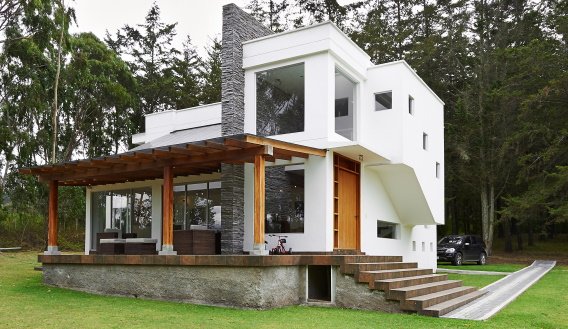
A modern house

Passive House Verification


Passive House is the gold standard for energy efficiency in single family and multi-family construction. Applying this rigorous standard results in ultra-low energy buildings that require very little energy for heating and cooling. Passive House combines a design verification protocol with a Quality Assurance/Control program performed by highly skilled PHIUS Raters/Verifiers.

The result is a high efficiency design that minimizes energy consumption and increases inhabitant comfort by focusing on high performance fenestration, robust insulation, near zero building envelope air leakage and simplified mechanical systems.

Key Principles:

  • Superinsulation: keeping the indoors comfortable year-round.
  • Airtight Construction: reducing energy loss and maintaining consistent indoor air quality.
  • High-performance glazing: Utilizing high-quality windows and doors minimizes heat transfer.
  • Thermal Bridge Free Detailing: minimize weak points in the building envelope where heat can easily escape or enter.
  • Heat Recovery Ventilation (HRV) or Energy Recovery Ventilation (ERV): providing fresh air without significant energy loss. 

Advantages of Passive Houses:

  • Significant Energy Savings: Can achieve up to 90% reduction in heating and cooling energy consumption.
  • Enhanced Indoor Comfort: Consistent indoor temperatures, draft-free environments, and superior indoor air quality due to controlled ventilation.
  • Reduced Carbon Footprint: Lower energy consumption directly translates to a smaller environmental impact.
  • Increased Durability and Resilience: longer lifespan and better resilience to power outages.
  • Potential for Higher Resale Value: Growing demand for sustainable homes can make passive houses attractive to buyers. 

Cost Considerations:

The long-term energy savings significantly offset the initial cost. The payback period can be as short as 3-7 years due to substantial reductions in heating and cooling bills. Additionally, government incentives and rebates can further reduce the financial burden. In some cases, the extra mortgage payments can be equal to or even less than the savings on energy bills. 

In Summary

Passive house design offers a path towards creating buildings that are both environmentally responsible and exceptionally comfortable. While the initial costs might be higher, the long-term energy savings and improved living environment make it a worthwhile investment for homeowners and builders committed to sustainable living


Our team holds both the Passive House Rater and Passive House Verifier certifications, allowing us to work on both high-rise and low-rise projects.  This specialization integrates well with our core function of HERS Ratings, giving you code compliance documentation and Passive House verification from one source.

Our partnership with New England Air Barrier means that meeting the strict Passive House air infiltration rates of 0.6 air changes per hour (ACH) is now easier and more affordable than ever before.  Utilizing the AeroBarrier aerosolized air-sealing system you can hit your ACH target early in the project and take comfort in knowing the results are guaranteed. To learn more, check out our article on “Air Sealing with AeroBarrier”.


If you have a project that needs Passive House verification, please call the office at 508-833-3100 or contact us online. We service Boston, Plymouth, Cape Cod and the surrounding areas in Massachusetts.
